

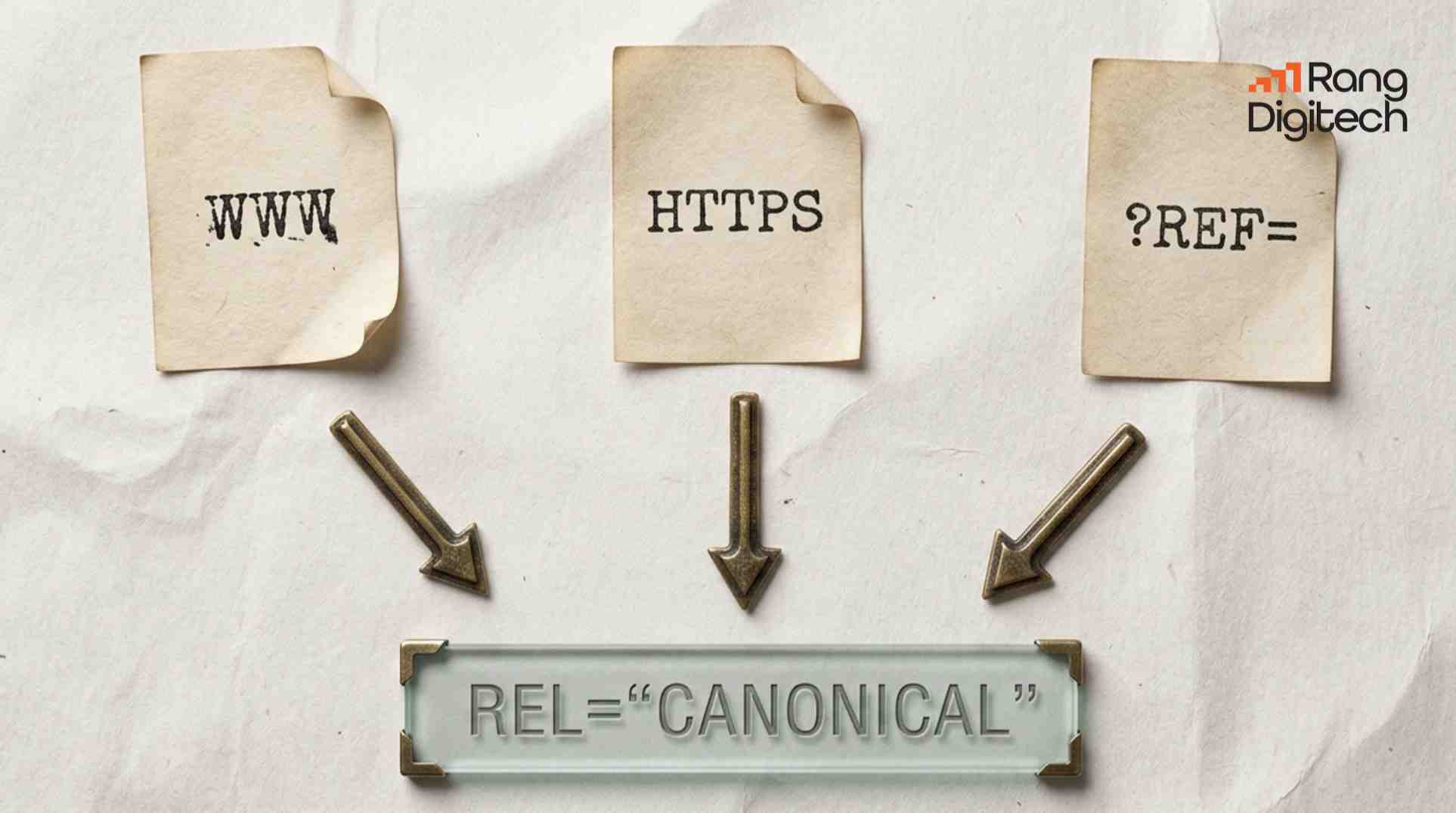
Duplicate content can create confusion for search engines when multiple URLs contain the same or very similar information. Without proper guidance, search engines may struggle to determine which version of a page should appear in search results. Canonical tags help solve this issue by indicating the preferred version of a webpage for indexing and ranking purposes.
Understanding Canonical Tags
Many website owners ask, what is canonical tag and why is it important for SEO. A canonical tag is an HTML element that tells search engines which URL should be treated as the primary version of a page. Businesses investing in SEO services in New Jersey often use canonical tags to manage duplicate content and improve website indexing.
Why Canonical Tags Matter
When multiple URLs display similar content, search engines may divide ranking signals across different versions. Understanding what is canonical tag helps businesses recognize how canonicalization consolidates authority and prevents duplicate content issues. Many organizations using Digital marketing services in New Jersey include canonical tag optimization as part of their technical SEO strategy.
When Should You Use a Canonical Tag?
Canonical tags are useful when content exists under multiple URLs, such as product pages with filters, tracking parameters, or print versions. Businesses relying on SEO services in New Jersey often implement canonical tags to ensure search engines prioritize the most relevant page while avoiding unnecessary indexing of duplicate versions.
Benefits of Canonical Tags for SEO
A properly configured canonical tag helps preserve ranking signals, improve crawl efficiency, and reduce duplicate content concerns. Understanding what is canonical tag allows businesses to create a cleaner website structure that supports better search engine performance. Companies working with Digital marketing services in New Jersey frequently audit canonical tags to ensure proper implementation across important pages.
Best Practices for Canonical Implementation
Website owners should use self-referencing canonical tags on primary pages and ensure canonical URLs point to the correct preferred version. Consistency is essential, especially when managing large websites with multiple content variations. Businesses using SEO services in New Jersey often conduct technical audits to verify that canonical tags are functioning correctly and supporting indexing goals.
Conclusion
Canonical tags play an important role in helping search engines identify the preferred version of a webpage while reducing duplicate content issues. Proper implementation can improve crawl efficiency, preserve ranking signals, and strengthen overall SEO performance. Partnering with Rang Digitech LLC helps businesses implement effective technical SEO strategies, including canonical tag optimization, to improve search visibility and long-term digital growth.